
Welcome to our Home & Wellness section. In 2026, the ALT in Altwire becomes Audio, Living & Tech.
I must say, I never expected I’d be reviewing an electronic flosser on Altwire. But honestly, Flaus came at the right time.
Most of us aren’t honest with our dentists. We’ll look them straight in the eye and make the usual claim that we floss regularly, even when we don’t. And we’re not alone. According to the ADA, only forty-two percent of Americans floss daily. The rest of us attempt a thorough floss right before appointments and hope it goes unnoticed.
I’ve been in that second group for most of my adult life. While disposable picks helped somewhat, reaching my back teeth remained a challenge, so I never felt I was cleaning thoroughly. I also bled when I flossed, which I thought was normal until a dentist corrected me. Not long after, Facebook ads for Flaus spotlighted its promise of easier access to hard-to-reach areas and a gentler flossing experience. (Creepy. Stop listening to me, Facebook.) Motivated out of curiosity and frustration, I spent the last month trying it out.
What is Flaus?
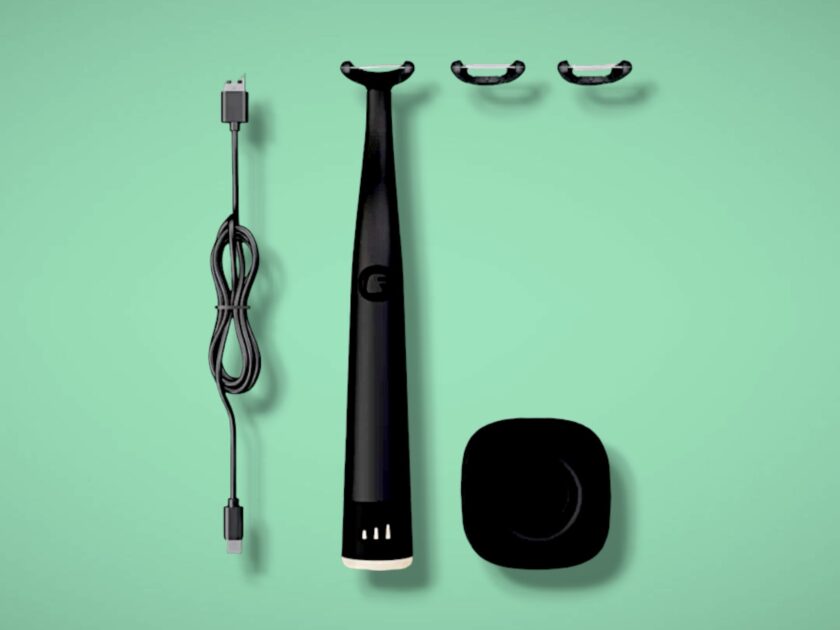
Flaus is a $99 rechargeable electric flosser created by Samantha Coxe, a New Yorker who went from M&A attorney to accidental inventor after racking up a few too many cavities. When her search for an ‘electric flosser’ came up empty, she decided to make one herself, spending two years and burning through 250 prototypes to get it right.
For a device meant to tackle such a boring chore, Flaus actually looks pretty slick. If Apple ever decided to get into oral care, this is probably what they’d come up with: slim, matte, lightweight, and almost unnoticeable in your hand. It works a lot like a sonic toothbrush, relying on vibrations rather than spinning. Crank it up to the highest setting, and you get 18,000 vibrations per minute, moving side to side with snap-on disposable heads, each loaded with a short piece of PTFE floss. You pop on a new head for each session, guide it between your teeth, and let the vibrations do the heavy lifting.
My biggest issue with flossing has always been getting to the right spots, especially in the back. Flaus tackles this with a soft rubber bite pad on the top of the handle, which actually makes a difference. Press it against your teeth, add a bit of pressure, and the floss slides through even those tight spaces that usually make me give up.
Cleaning my whole mouth takes about 1 to 2 minutes at the highest speed, which is the only setting I bother with because it just feels more effective. It’s louder at that speed, with a familiar sonic toothbrush hum, but nothing that would wake up the house. Beneficially, my gums stopped bleeding after a couple of weeks. I can’t say for sure if Flaus deserves all the credit, but it’s the only thing that’s made flossing stick for me. After weeks of daily use, I still haven’t had to charge it, and the heads held up without breaking, though I did notice a bit of slack after working through my back teeth.
On Accessibility
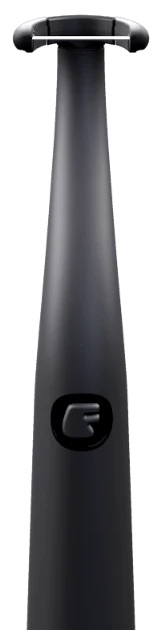
It’s refreshing to see a company actually put some thought into accessibility. Flaus gets a lot right here: the packaging has braille on the box, the instructions, and even some inserts. The power button is big enough to find by touch, no fumbling required. You can use it one-handed, and the bite piece helps push the floss through tight spots without needing much dexterity. Having a real handle to grab, rather than wrestling with a string or a tiny pick, makes a big difference, especially for anyone who doesn’t have use of both hands, as Flaus highlights in their marketing.
That said, the handle isn’t perfect. It’s slim, smooth, and tapers at the top, which my disabled friend pointed out could make it tough to grip for anyone with reduced hand strength or dexterity. Because the shape is narrow and lacks texture, it may slip or be difficult to hold, causing discomfort or making it hard to use effectively for those with limited grip strength. A thicker, textured, and more evenly shaped handle would address these concerns. Flaus deserves credit for considering accessibility, but the handle still needs some work to be truly inclusive.
Cleanliness and Using with Dental Work
As a small aside: with regular floss, you’re supposed to use a fresh section for each tooth to avoid spreading bacteria. Per its design, each Flaus head has just one strand, and you’re meant to rinse it off if it gets dirty. From a clinical perspective, that’s not ideal.
But, when considering its purpose, that kind of misses the point. Flaus is clearly aimed at people who aren’t flossing well, or at all. If this gets you to clean your teeth more often, the benefits far outweigh any minor concerns.
Additionally, I had one crown put in a few years ago and used it around said crown without any issues, though Flaus advises against this, likely due to the risk of vibrations loosening the work. As such, check with your dentist before trying it.
Final Verdict
Flaus costs $99 initially, plus around $60 per year for new heads on subscription. Though pricier than traditional floss, it removes the pain, inconvenience, and hassle that keep most people from making flossing a daily habit. For me, these benefits mean I actually floss every day—for the first time ever. If you relate, Flaus is well worth it.
The Flaus Electric Flosser Starter Kit retails for $99 at goflaus.com and Amazon.
Here’s some more great wellness products for you to try.
