
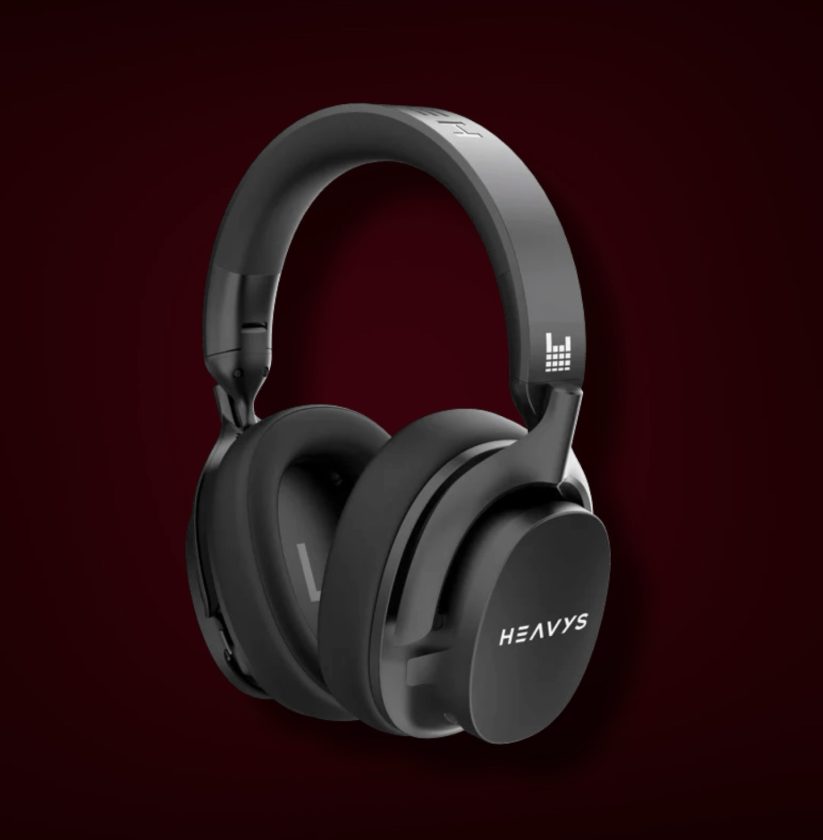
Full disclosure, I am aware these have been out for several years. However, I kept seeing these pop up on my feed during the holidays, with Instagram videos of people listening at trade shows, so I reached out to the Heavys team for a pair of the H1H to test.
Most headphones are tuned for pop first. Rock and metal get treated like collateral damage. Major manufacturers accentuate pop-sheen, 808s, and EDM bass, but leave the complexity of rock and metal on the back burner. For those of us with playlists full of blast beats, big choruses, and down-tuned guitars, the “pop standard” has always felt inadequate. We don’t need polite; we need power.
Heavys created the H1H for people who live in rock and metal, and everything adjacent. Instead of tackling this alone, they brought on an engineer with a strong pedigree: Axel Grell. He spent over two decades at Sennheiser and is credited with designs like the HD 650S and HD 660S2. Bringing a designer known for balance and restraint into a project that wants to hit like a piledriver gave this concept real credibility.
Fit and build, before the first note
When the unit arrived, I had one immediate thought: these are not small. As someone who has lived with the “large head” curse my entire adult life, I usually hate headphones. Either companies don’t design enough size adjustment into the headband, or the cushions are too small and become a vice grip. I didn’t hate the fit of these.
Here, the clamping force is distributed well. The ear cups are cavernous, roomy enough that my ears weren’t crushed, and the synthetic leather pads create a seal that feels like an airlock. It keeps the outside world out without causing a headache. The toggle switches for ANC and power are stiff and mechanical, and no part of the build feels cheap. I’ve seen some rumblings about the headband, but it did not feel weak.
Turning these on, a gravelly demonic voice growls “CONNECTED” at you. It’s hilarious, and a cute touch.
Out of the box: dark, dense, and fixable
Out of the box, the tuning wasn’t the instant clarity I expected. It was dark. The upper bass sounded dense, semi-choking the mids. My first thought was to reach for EQ. That helped, however, shortly before I was ready to push this review live, I was given a suggestion that made a big difference:
Try them with streaming volume normalization turned off in Apple Music or Spotify. While Spotify no longer degrades quality on volume normalization (this was fixed years ago), I still found that once I disabled it, the sound with ‘flat EQ’ was a noticeable difference. It sounded closer to what I expected from the start, and it made any additional EQ feel far more optional than required.
That said, if you do want to fine-tune the H1H, I wouldn’t recommend doing it through the native app. The Heavys app in it’s current state feels lacking. It didn’t always connect reliably for me, and I found myself reopening it more than I should have. You’ll have better luck using a third-party EQ.
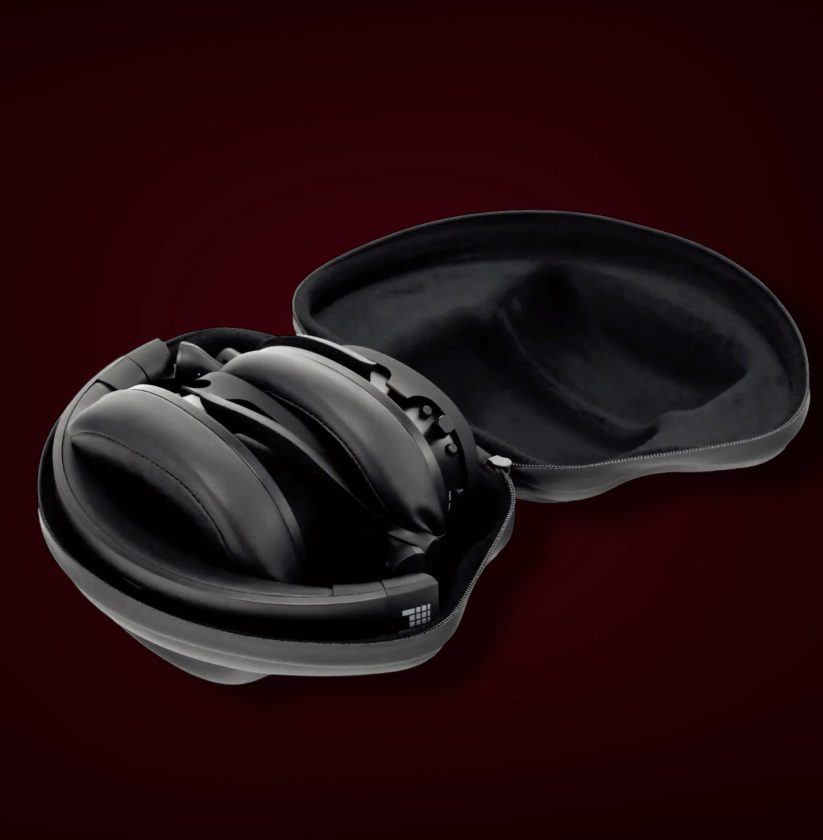
Bass Sounds So Good In These
I’m a bassist, so I always notice the same problem first: the bass guitar usually gets lost. It becomes a low-end rumble under the kick drum rather than a distinct instrument. On the H1H, the separation is undeniably good. The tweeters carved out space for cymbals without that harsh, sibilant hiss that can show up over Bluetooth, while the low end stayed punchy and articulate.
Usually, a single driver is asked to reproduce the sub-bass weight of a double pedal and the bite of guitars and cymbals at the same time, so dense mixes can smear together. Heavys splits the workload with an eight-driver array. Two 38mm drivers handle lows and mids, and two 12mm tweeters handle highs. After EQ, I could hear the impact of snares, the plunk of bass guitar strings, vocals that stayed present, and hi-hats that didn’t collapse into digital fizz.
Messing around with the volume control via ridged knob was easy. I noticed quickly that with the outside world blocked out, I didn’t need to crank the volume to feel the music. Around 50–60% volume on my phone already felt impactful. That’s why I wanted to try these in the first place.
HellBlocker isn’t airplane-grade ANC. It’s milder than the top travel headsets, but it still helps. Standing in the kitchen doing dishes while my fiancée vacuumed, it knocked the chaos down enough for the music to take over.
USB-C is the move
The USB-C port is the hidden ace here. On the H1H, USB-C is not just for charging. It’s a proper digital audio input. Here you bypass Bluetooth and feed a direct digital signal into the headphone’s internal chain. Use this if you want the best sound quality, but Bluetooth sound is solid too. If you use Bluetooth, the battery lasts long enough to play multiple albums over several days before you need to recharge.
Who these are for
If you live in rock and metal, I think the H1H makes a strong case for itself. Every other headphone on the market is designed to flatter pop or electronic music first. The H1H is a different breed and tackles the fundamental problem of frequency congestion in heavy music in a way single-driver headphones often struggle with. When you’re deep into a chorus or a breakdown and can hear the bass guitar strings vibrating, you’ll be thankful that a headphone company finally gave a shit.
For someone who wants headphones to sound like standing in the center of the pit, the H1H is the answer. It is a dedicated tool for a specialized job, and it gets the job done better for metal than anything else.
See more reviews here!
