
NOTE: Noon Instruments’ BF sale is now live meaning both Toska & Vessels are currently 20% Off until 12/12/25. More details aquí.
Sometimes it can be hard to find software that carries real spatial character. Noon Instruments builds its tools around physical processes rather than synthetic convenience, and that focus becomes clear as soon as you load Buques o Toska. Both libraries use captured environments, hardware coloration, and materials that vibrate in real space. They share a design philosophy, but in practice, they behave very differently. Vessels feels like an instrument built to fill a room. Toska feels like something that can sit quietly inside a mix. Together, they cover a broad emotional span without ever sounding disconnected.
Vessels: Physicalised Synth Textures
Vessels approaches synthesis as something you send into the world rather than generate from an oscillator. The team fed electronic tones into resonant materials, such as oil drums and thunder sheets, and re-amped the results through cabinets in different rooms, then printed the recordings to tape. This workflow introduces reflections, grain, and mechanical drift that software alone rarely replicates.
The library installs to approximately 26 GB and contains over 11,000 samples. It ships with 460 presets and runs in Kontakt 7.7.2 or the free Kontakt Player. The internal structure categorizes sounds into three general families, each with its own unique strengths.
Convergent focuses on object resonance. Transducers drive metal and plastic surfaces to create harmonics above the fundamental, making these patches easy to blend with acoustic instruments.
Divergent leans more aggressively. The Sanken microphone path delivers a wide stereo field, while the SM57 path provides a tighter midrange. The MS 20 external input stage adds controlled drive when you need more focus or bite.
Relics shifts the mood. These patches come from cassette and tape passes and behave best when you want something softened, unstable, or aged.
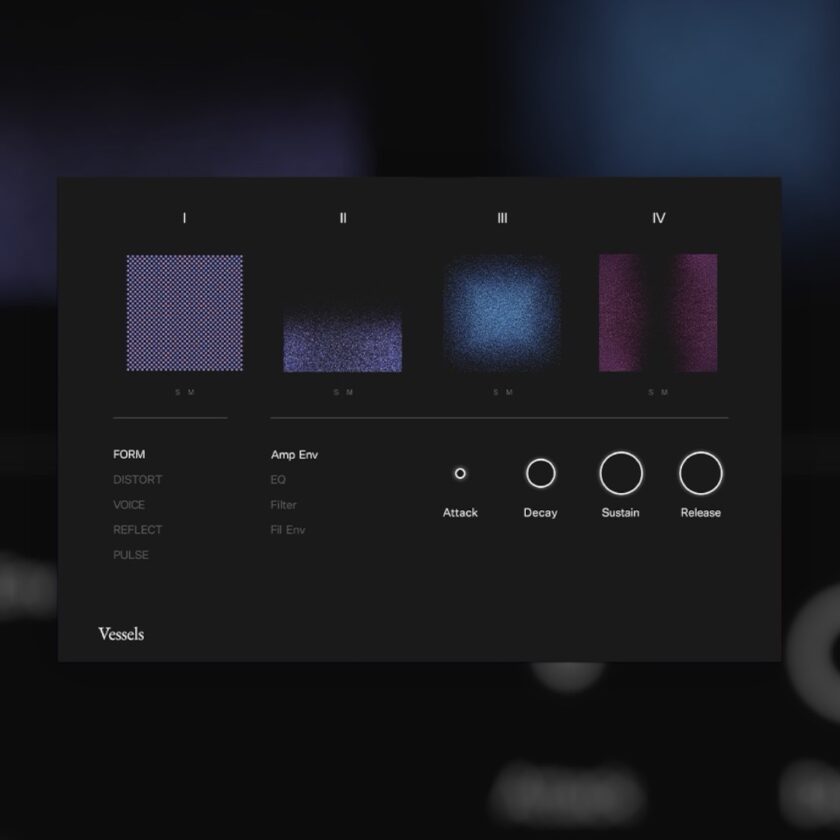
Inside Kontakt, Vessels functions as a multi-layer instrument. Each layer includes envelopes, filtering, EQ, and drive. The global effects provide reverb, delay, and modulation, and NKS support maps primary controls to Komplete Kontrol hardware. Blending layers feels intuitive. You can anchor a sound with its direct signal, expand its presence with room microphones, or increase tension by activating the MS 20 path.
In scoring sessions, Vessels adapted easily. Convergent layers fit beneath the piano and strings without clouding the harmony. Divergent layers provided a sense of physical push when paired with guitars or percussion. Relics became helpful for reflective or nostalgic cues. The recordings blend well with acoustic sources because the spatial cues remain intact. The interface stays manageable, and NKS tagging speeds up preset browsing.
Toska: Atmospheres With Emotional Detail
Toska moves in a more intimate direction. Instead of emphasizing physical resonance, it focuses on the emotional weight of small performances. The library blends analog synths with ensemble fragments, vocal layers, and environmental recordings. These sources retain slight imperfections, which help them feel grounded even when heavily processed. Toska works well when you need emotional motion without obvious rhythmic cues.
The install size is about 6.5 GB. The library contains just over 100 core patches along with a curated collection of variations. The organization consists of three banks: Curated Presets, Instruments, and Relics. Instruments offer broader pads and drones. Curated Presets contribute gentle movement and pacing. Relics introduces tape coloration for softer or nostalgic tones.
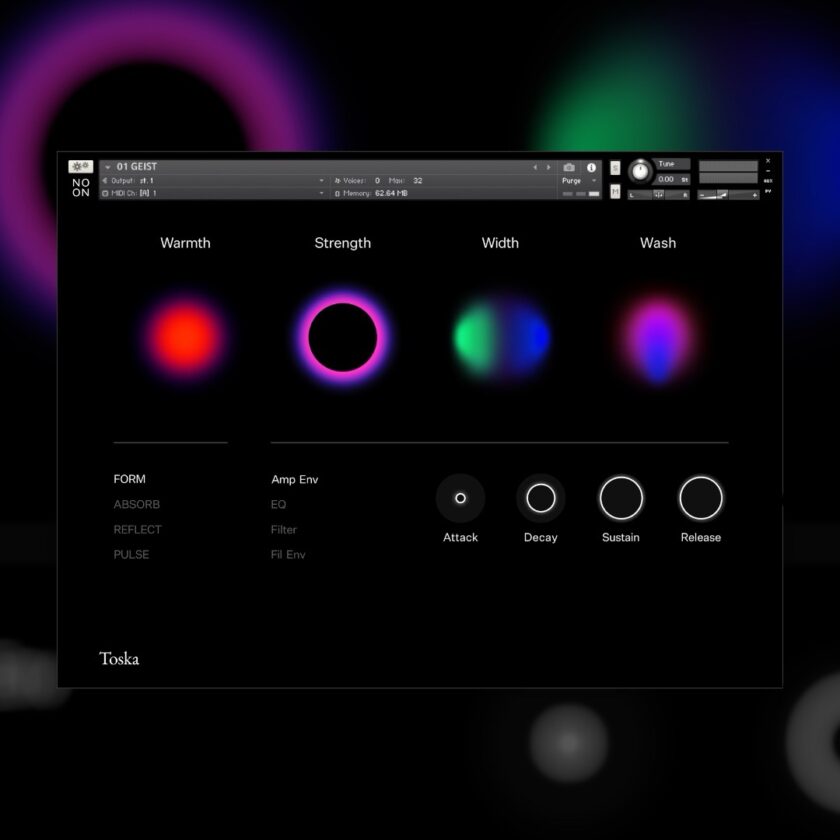
Toska keeps its interface simple. Four macros control tone, density, width, and ambience. These respond smoothly to automation and make the library feel like a tool designed for writing directly into a DAW timeline. The two Pulse LFOs encourage motion without locking you into defined patterns, and the reverb and delay sections add depth without masking the character of the source material.
In use, Toska behaves differently from what early demos might suggest. The patches do not dominate a mix. Instead, they support a scene and allow acoustic elements to lead. The Instruments bank was effective for slowly building tension under the strings or the piano. The Curated Presets group produced subtle rhythmic support when mixed carefully. Relics offered practical alternatives when a cue needed softness or worn harmonic edges.
How They Contrast
Both libraries rely on captured material, but they target different needs. Toska establishes tone quickly and benefits from a macro-driven workflow that keeps shaping simple. Vessels takes longer but provides broader spatial behavior, more dynamic variation, and deeper layering. In fast-paced sessions, Toska often came first. When we needed dimension or a sense of physical presence, Vessels became the better fit.
Neither library aims to produce sharp, modern synthetic edges. They operate in the same sonic language while filling different roles in a composition.
Using Them Together
Combining these libraries often produced the strongest results. One workflow that worked consistently involved beginning a cue with a quiet Toska pad and expanding it with a Vessels layer once the scene needed more depth. Convergent layers added harmonic clarity without crowding other instruments. Divergent layers introduced motion that supported pacing. Relics patches from either library created soft transitions or reflective moments. They blended cleanly during testing and required little corrective EQ, partly because both libraries lean on captured space and hardware processes.
Verdict
Noon Instruments has built two libraries that reward composers who value physical recordings and understated sound design. Toska handles emotional groundwork and excels when restraint matters. Buques takes those ideas into a more tactile and expansive direction. Each one stands on its own, yet using them together creates a broader toolkit than either would provide on its own. They replaced multiple instruments during testing and produced consistent results with minimal adjustment. For composers seeking sound sources that feel authentically captured in the real world, these two libraries remain easy to recommend.
