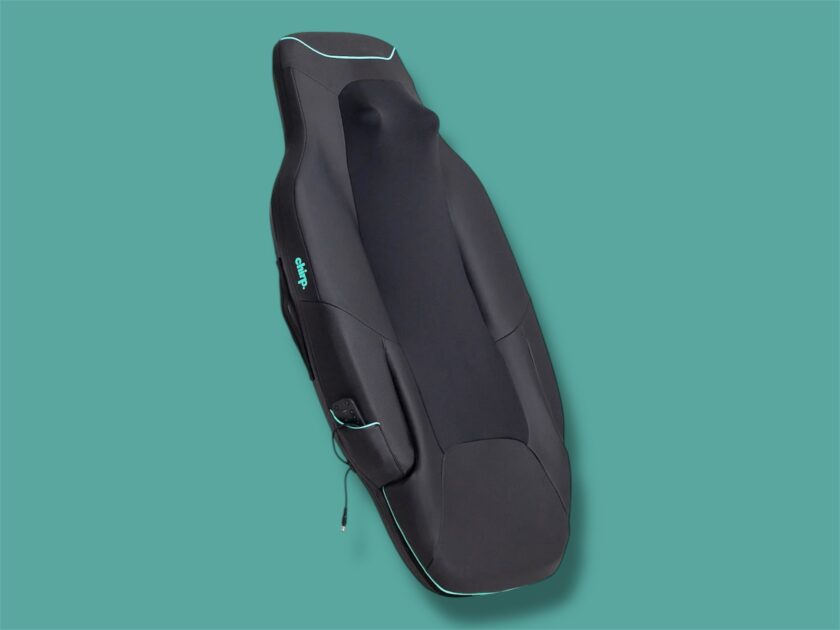
The Chirp Contour combines motorized back rollers, adjustable pressure, and heat in a home massage table. After spending plenty of time hunched over my desk working on music gear reviews, I wanted to find out whether it could offer meaningful relief without another appointment or a complicated routine.
Holiday 2026 Offer (November 6): Chirp is currently advertising $100 off the Contour through its Black Friday Early Access promotion. The Basic package is reduced from $549.99 to $449.99, while Ultimate Relief is reduced from $609.98 to $509.98. Early-access registration is required to unlock the discount. Check Chirp’s current pricing and availability before ordering.
I’ll be honest: I have never been to a chiropractor. The idea of someone manually cracking my neck or twisting my spine terrifies me. I know people swear by it, but I can’t bring myself to make an appointment. The problem, of course, is that I sit at a desk all day, and my back is a mess. My posture sucks, and I’m pretty sure I don’t have a strong core because I’m behind a desk so often.
The Chirp Contour caught my eye because it offered an interesting way to deal with back tension at home. Its combination of motorized rollers, heat, and adjustable pressure sounded promising, especially for someone who spends most of the working day at a desk.
First Impressions: It’s Not a Yoga Mat
When I unboxed it, I was surprised by the scale. The photos make it look a lot smaller, but it’s actually pretty decently sized. At 5’11”, it almost supported my entire body, with just a small amount of my legs drooping over.
The best part? No assembly. You take it out of the box, plug it in, and hide the remote in the side pocket. It’s pretty bulky and weighs about 22 pounds, but that kind of heft made me less worried about breaking it, though heavier folks may not feel the same (more on that later).
How It Works
The device uses a disc lift mechanism. Instead of just vibrating, a motorised roller physically travels up and down your spine, lifting and kneading your back. It’s designed to create traction (gently pulling the vertebrae apart) to relieve pressure.
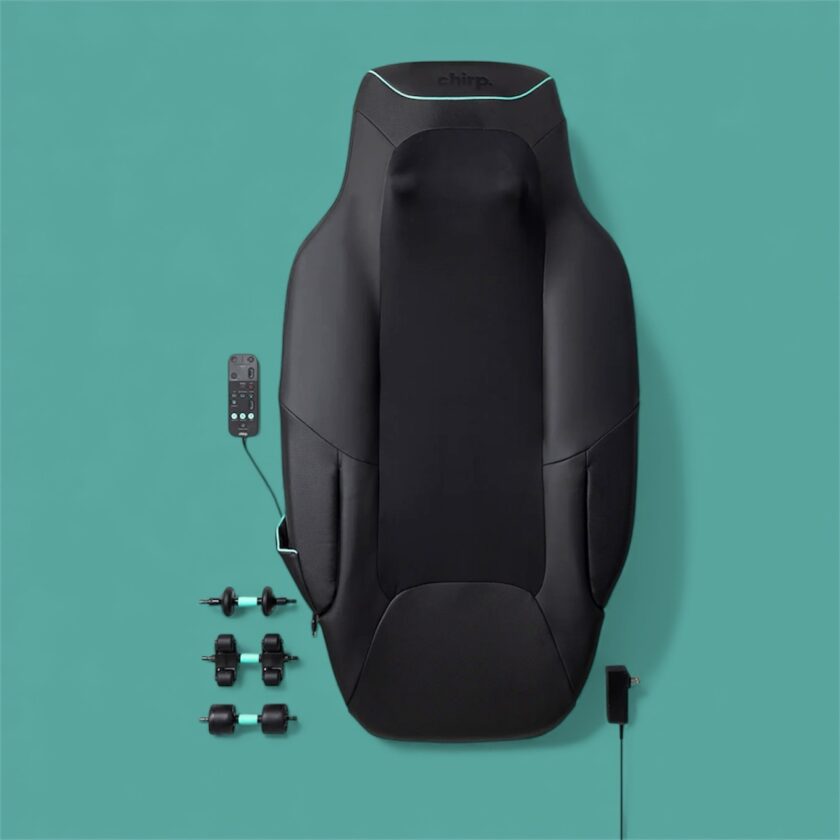
There are three roller options: Soft, Contour (Medium), and Deep Tissue.
As a quick note, the unit ships with the “Contour” (medium) rollers pre-installed. I jumped right in, and it was… intense. Because it’s been a good year plus since I’ve gotten any sort of professional massage, my back was way tighter than I realised. The Contour rollers were a bit surprising in just how strong they felt.
As such, I recommend that for your first try, immediately swap in the “Soft” rollers before your first go. I tried those on the second run, and it was far easier for me to get used to them. I plan to build up to the stronger settings over time, but let your body get used to the sensation before you try the harder stuff.
More Ways to Customize the Massage
Since my original review in 2025, Chirp has expanded the Contour’s roller options. The standard package still includes the three rollers I tested: Soft, Contour, and Deep Tissue.
Buyers can now choose the Ultimate Relief package, which adds two interchangeable rollers. Contour Plus offers a wider contact area, while Intense Relief is designed to apply more concentrated pressure.
Contour Plus has quickly become one of my favorites, and what I reach for when I want something a little more than the mostly comfortable Soft option. Know that Deep Tissue certainly goes very deep, and I’d recommend working up to it before going right to it. It can be a slight bit painful if you’re not used to it.
The Experience: A Safe “Reset”
Once I got into position, aligned the neck massages where I felt comfortable, and turned on the heat, I finally understood the hype.
I pressed the “Relax,” preset and let the machine do the work. The Contour uses Chirp’s DiscLift system, which moves a motorized roller along your back while applying adjustable upward pressure. The company describes this as spinal decompression, combining the rolling motion with massage and heat. There’s considerably more going on here than the vibration you’d find in a basic massage cushion, and it felt a lot more thorough than anything else I’ve tried.
The Results
The real test was standing up after that first 15-minute session. I felt weirdly lighter. The constant, dull compression in my lower back, the one I had just accepted as “normal”, was gone. I found myself standing up straighter without trying.
I’ve tried cheap (sub $200) back massages from Amazon, and I even have a foam roller. While both helped, I prefer this to both because after an exhausting day, the last thing I want to do is put in more effort (i.e., a roller).
The Chirp Contour is passive. You lie down, you press a button, and you close your eyes. That convenience means I actually use it three or four times a week and look forward to the release it provides.
One Small Caveat
I was surprised by the Contour’s 250-pound weight limit. I’m below that threshold, but close enough that I paid attention to it during testing.
Chirp specifies a supported height range of 5 feet to 6 feet 5 inches and a maximum user weight of 250 pounds. That excludes some potential buyers, including larger athletes who might otherwise appreciate this kind of recovery equipment.
I would love to see Chirp develop a version with a higher weight capacity. A Contour XL supporting substantially heavier users could make the product accessible to more people.
For now, anyone exceeding the stated limit should look elsewhere rather than risk using the machine outside its specifications.
Chirp Contour in 2026: Price, Features, and Who It’s For
As of November 2026, the Chirp Contour Basic carries a regular retail price of $549.99. It includes the massage table, three interchangeable rollers, a power adapter, and the user manual.
The Ultimate Relief package costs $609.98 and adds the Contour Plus and Intense Relief rollers.
The Contour measures approximately 43 inches long, 22 inches wide, and 7 inches high. It weighs 22 pounds, making storage easier than its appearance might suggest. It’s still a fairly large piece of equipment, so buyers should consider where they’ll keep it between sessions.
Two programmable user profiles allow different people to save their preferred settings. The heating system offers two levels of warmth, and the adjustable rollers accommodate a range of body sizes within Chirp’s stated height and weight limits.
Chirp currently provides a one-year limited warranty and a 30-day at-home return period, subject to its return policy. The Contour is also advertised as HSA/FSA eligible, although buyers should confirm reimbursement requirements with their plan administrator.
For anyone considering the Contour as a holiday gift, the recipient’s height, weight, available storage space, and comfort with firm massage pressure are worth considering before spending this much money.
It’s also important to distinguish relaxation and temporary relief from medical treatment. The Contour isn’t a substitute for evaluating persistent or unexplained back pain with a healthcare professional.
Is It Worth The Money?
Is the Chirp Contour Worth the Money?
At $549.99, the Chirp Contour is a substantial investment. But after spending time with it, I understand where that money goes. Its adjustable rollers, heating system, and automated programs provide an experience that my foam roller and inexpensive back massagers haven’t been able to match.
What I appreciate most is the convenience. After spending an entire day at my desk, I don’t always want to get on the floor and work through another stretching routine. With the Contour, I can lie down, select a program, and let the machine do the work.
My experience won’t necessarily match everyone else’s. Some people may find the pressure uncomfortable, and the 250-pound weight limit is a genuine restriction. It’s also important to understand that relief from muscle tension doesn’t necessarily mean an underlying back condition has been treated.
For my own everyday desk-related discomfort, though, the Contour has earned its place. I felt noticeably better after using it, and it’s my go to when simple stretches just dont cut it.
For more reviews, go here.
Get the AltWire newsletter
The week's best from AltWire, with the artists and sections you pick first. Free; unsubscribe anytime.